Athens: What to See, Facts & Flights
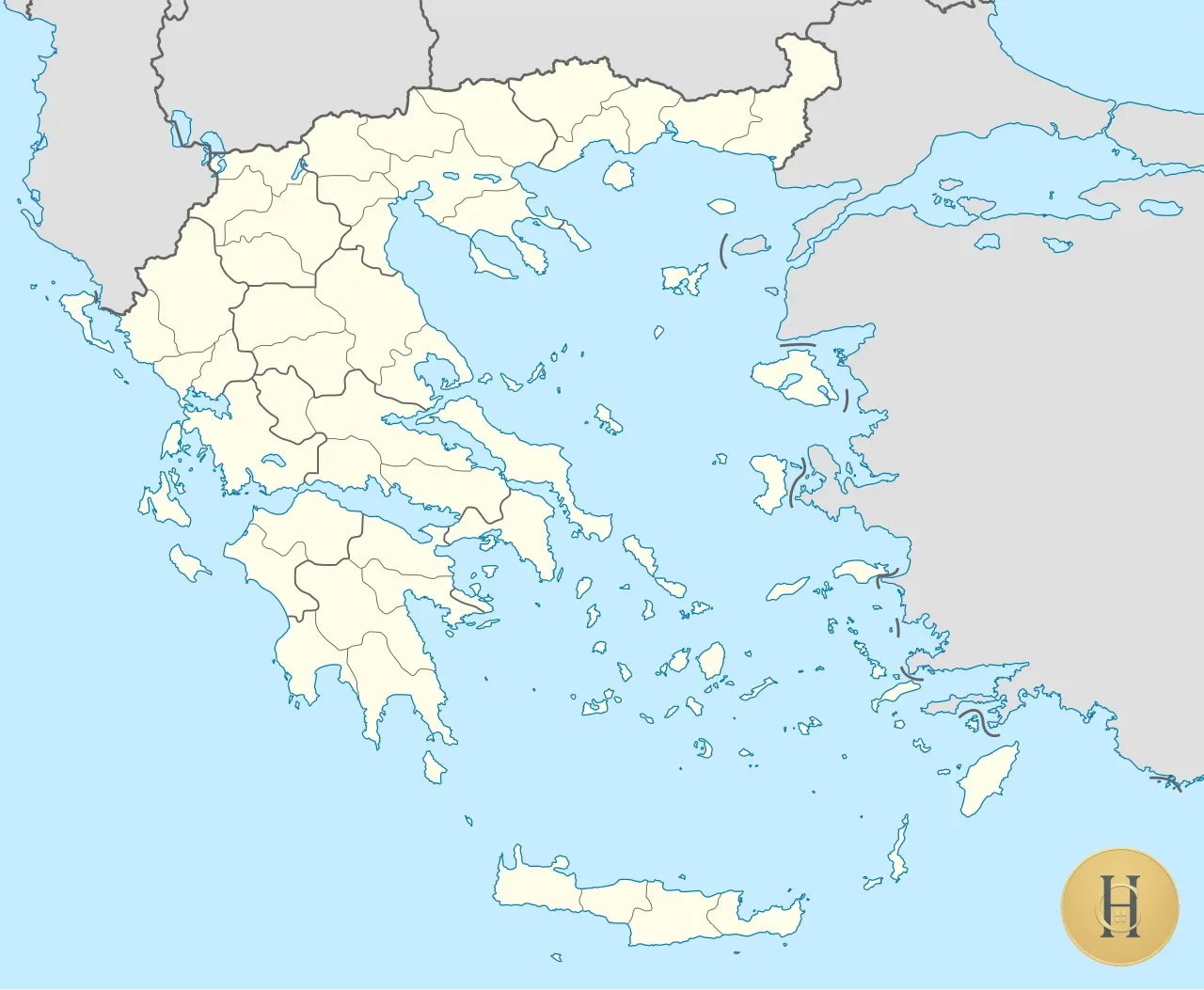
Athens is the capital of Greece and one of the oldest continuously inhabited cities in Europe, with a historic core that overlaps with modern urban expansion. People travel there mainly for its archaeological heritage, concentrated in a relatively small pedestrian area, and because it serves as the logical base for moving around the country.
What to see
The monumental center is organized around the Acropolis, the fortified hill where the Parthenon stands, the temple dedicated to Athena. The climb is steep and the ground is slippery, so flat shoes and water are essential. Right next door, the Acropolis Museum houses the original pieces from the site, including the Caryatids of the Erechtheion, and has a glass floor that allows you to see the excavations beneath your feet.
At the foot of the hill, the Ancient Agora was the political and commercial center of the classical city. Here you will see the Temple of Hephaestus, the best-preserved in Greece, and the reconstructed Stoa of Attalos, which functions as a museum. You do not need more than two hours to walk through it calmly.
Neighborhoods and how to get around
The Plaka neighborhood, northeast of the Acropolis, is the most touristy: narrow streets, neoclassical houses, and souvenir shops. It is pleasant to wander through, but the restaurants in the area are expensive and of average quality. To eat better, walk ten minutes towards the Monastiraki neighborhood, where the flea market occupies the streets on Sunday mornings.
The historic center can be perfectly explored on foot. The distance between the Acropolis and the Agora is about five minutes walking, and from there to Plaka another ten. The metro is useful for getting to the airport or more distant neighborhoods, but you do not need it for the classic one-day circuit.
Museums and theaters
In addition to the Acropolis Museum, the National Archaeological Museum is worth visiting, about twenty minutes by metro from the center. It has the most important collection of classical art in the country, featuring the Mask of Agamemnon and the Antikythera mechanism. If you are interested in ancient daily life, the Agora Museum, inside the Stoa of Attalos, is smaller but very educational.
For theater, the Odeon of Herodes Atticus, at the foot of the Acropolis, continues to operate in summer with the Athens Festival. Tickets sell out quickly, so it is advisable to book weeks in advance if you want to see a play on a stage from the 2nd century AD.
When to go
The best time is between April and June, or September and October. Temperatures hover around 20-25 degrees and queues at the Acropolis are manageable. In July and August, heat easily exceeds 35 degrees and the archaeological site has no shade. In winter, it rains little, but days are short and some museums close earlier. Avoid midday hours in summer: wake up early or go at sunset.
- Acropolis and Parthenon – The monumental complex dominating the city, with the main temple dedicated to Athena.
- Acropolis Museum – Modern building with the original sculptures from the site and direct views of the hill.
- Plaka Neighborhood – Pedestrian zone with 19th-century houses and quick access to Roman remains.
- Ancient Agora – The market and forum of classical Athens, with the Temple of Hephaestus and the reconstructed stoa.
Frequently asked questions
How much time do I need to see the essentials?
With a full day you have enough time for the Acropolis, the Acropolis Museum, and the Ancient Agora without rushing. If you want to add the National Archaeological Museum, you need a second day. The historic center is compact, but distances and queues add up to time.
Is it safe to drink tap water?
Yes, tap water in Athens is potable and acceptable in taste. In summer, bring a refillable bottle: there are public fountains at the entrance of the Acropolis and at the Acropolis Museum. Bottled water at tourist stalls costs double what it does in a regular supermarket.