Belgrade: What to See, Tips & Flights | HotelsCasa
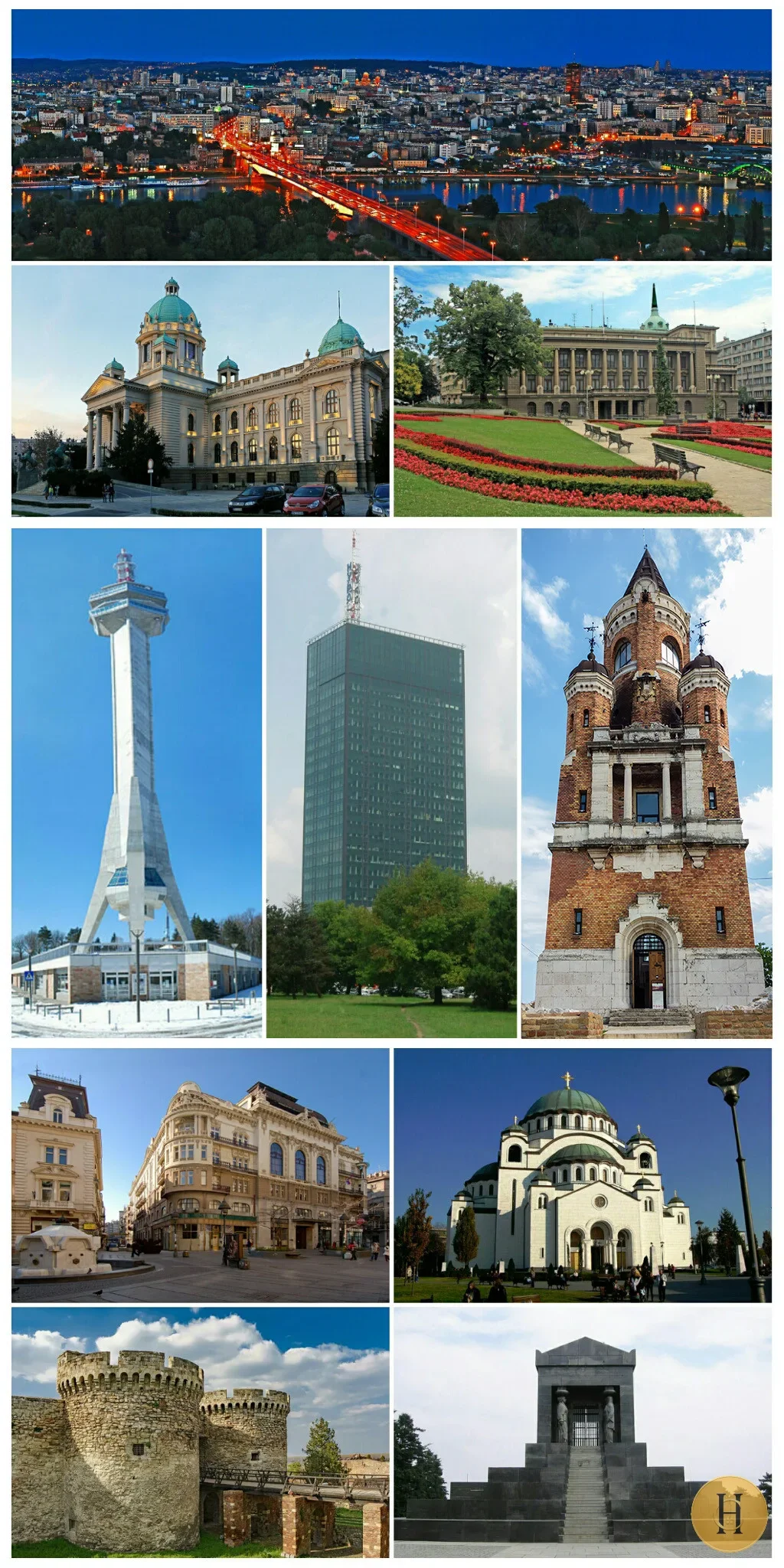
Belgrade is the capital of Serbia and one of the oldest cities in Europe, located at the confluence of the Danube and Sava rivers. It is visited for its complex history, legendary nightlife, and a mix of Austro-Hungarian, Ottoman, and socialist architecture rarely found in one place.
What to see
The mandatory starting point is Kalemegdan Fortress, on a hill overlooking the confluence of the two rivers. Within the grounds, Roman, medieval, and Austrian remains are preserved, along with walks offering views of the Danube. From there, Knez Mihailova Street, pedestrianized and full of 19th-century buildings, connects directly to Republic Square.
The Temple of Saint Sava, in the Vračar area, is one of the largest Orthodox churches in the world, although its interior is still partially under construction. It is not an ancient monument: construction began in 1935 and was completed in 2020. Its golden dome and crypt decorated with mosaics are worth the visit.
Neighborhoods and how to get around
Skadarlija is the old bohemian quarter, with cobblestone streets, traditional restaurants, and live music. It is a ten-minute walk from Republic Square and the best place to try Serbian dishes such as ćevapi or pljeskavica. Although touristy, it retains a tavern atmosphere that has not been entirely lost.
To see the other side of the city, cross the Sava River towards Novi Beograd (New Belgrade). There you will find socialist housing blocks, the enormous Genex Palace, and the riverfront promenade of Zemun, an old Austrian town with narrow streets and a very busy waterfront. The historic center is easily explored on foot, but public transport or a taxi is recommended for crossing the rivers.
Eating and nightlife
Local cuisine is hearty: grilled meats, cheeses, ajvar, and rakija (fruit brandy). In Skadarlija you will find the most classic options, but the best prices are in family-run restaurants in Zemun or on secondary streets downtown. For something quick, burek (cheese or meat pastries) are sold in bakeries throughout the city.
Nightlife is Belgrade's main attraction. Floating clubs on the Danube (called splavovi) open from Thursday to Sunday and are unique in Europe. There are also bars in old factories and warehouses along the Sava River, especially in the Savamala neighborhood. The atmosphere starts late: dinner at 9:00 PM and the party does not kick off until after midnight.
When to go
Spring (April-June) and autumn (September-October) are the best seasons, with mild temperatures and fewer crowds. Summer is hot and humid, but this is when the splavovi and riverside terraces operate. Winter is cold, with frequent fog, although Christmas markets and the kafana (tavern) atmosphere make up for it.
- Kalemegdan Fortress: park and military ruins with views of the Danube and Sava confluence.
- Temple of Saint Sava: monumental Orthodox church in Vračar, with a mosaic crypt.
- Knez Mihailova Street: main pedestrian street with shops, cafes, and 19th-century architecture.
- Skadarlija: bohemian quarter of taverns, live music, and traditional Serbian cuisine.
- Zemun: old Austrian town with cobbled streets and a promenade along the Danube.
Frequently asked questions
Is Belgrade safe for tourists?
Yes, it is generally a safe city. Minor crimes like pickpocketing exist in crowded areas, such as Knez Mihailova Street or public transport, but there are no serious violence issues. It is advisable to avoid the surroundings of the bus station at night.
Do I need a visa to travel from Spain?
No. Spanish citizens can enter Serbia without a visa for stays of up to 90 days within a 180-day period. You only need a valid passport or ID card. Note that Serbia is not part of the European Union and border controls are real, although quick.