Brussels: what to see, facts and flights
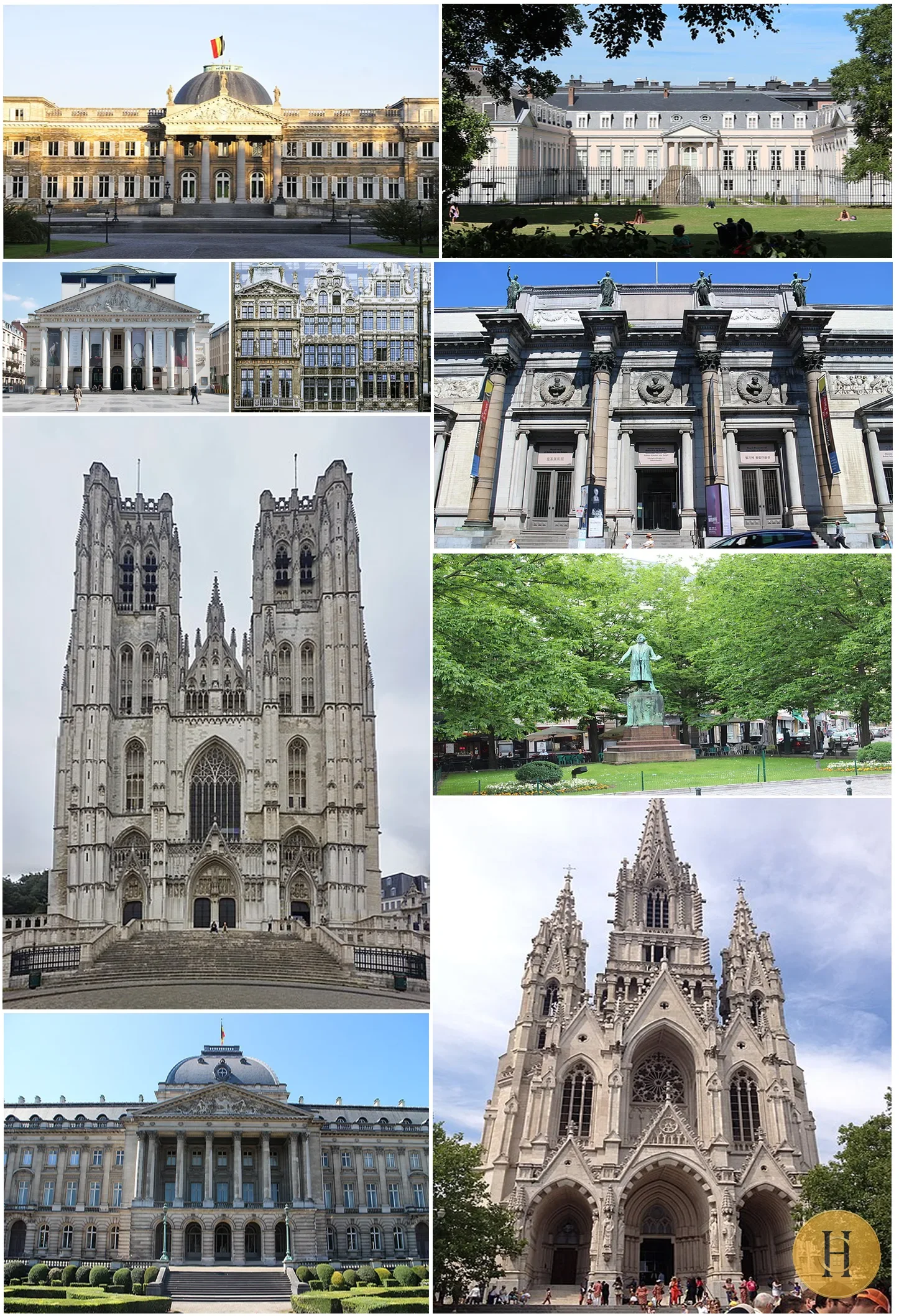
Brussels is the capital of Belgium and, de facto, of the European Union. With just over 1.2 million inhabitants, it is a compact city where the medieval historic center, community institutions, and an active cultural scene coexist. People travel there for its heritage, its gastronomy, and because it is a well-connected European hub.
What to see
The historic center is the most busy area. The Grand Place is the monumental heart, with its baroque guild houses and Gothic town hall; it is the logical starting point for any tour. A few minutes away is the Manneken Pis, a small and crowded fountain that does not impress by its size but functions as a local symbol.
Outside the center, the Atomium is the most recognizable structure in the city, built for the Expo of 1958. It is located in Heysel Park, to the north, and can be reached by metro. The Magritte Museum, dedicated to the surrealist painter, is in the center and is worth visiting if you are interested in 20th-century art.
Neighborhoods and how to get around
Brussels is divided into a lower city, around the Grand Place, and an upper city, where the Royal Palace and the Sablon neighborhood are located, with antique shops and chocolate stores. The Marolles neighborhood, to the south, is popular for its flea market and its lively atmosphere.
The city is easily explored on foot in the center, but for the Atomium or the European quarter (EU institutions district) you need metro or tram. The public transport network is efficient and covers the entire urban area. Language is a detail: French is the most spoken language, although Dutch is co-official.
Eating and nightlife
The gastronomic offer is solid and well-known: mussels with fries, waffles, french fries, and a wide variety of beers. Restaurants in the center are touristy, but on streets like Rue des Bouchers you will find classic options. For something more local, the Saint-Gilles neighborhood has bars and international cuisine restaurants.
Nightlife is concentrated in areas such as the Saint-Géry neighborhood, near the center, with craft beer bars and live music venues. There is also a club scene in the Forest Abbey neighborhood, although it is not a city known for massive partying; the offer is more focused on bars and terraces.
When to go
The climate is temperate, with cold winters and mild summers. The best time is from April to September, when there are more daylight hours and open terraces. In winter, the Christmas markets at the Grand Place and surroundings attract many visitors, but cold and rain are constant. Avoid August if you do not like crowds, although it is a month with good weather.
- Grand Place — Central square with Gothic town hall and 17th-century guild houses.
- Atomium — Steel sphere structure with panoramic views from its top sphere.
- Manneken Pis — Fountain with a small statue of a urinating boy, symbol of the city.
- Magritte Museum — Collection dedicated to surrealist painter René Magritte, in the center.
- Sablon — Elegant neighborhood with Gothic church, art galleries, and chocolate shops.
Frequently asked questions
How many days are needed to see Brussels?
Two full days are enough for the historic center, the Atomium, and a couple of museums. If you want to take it easy or go on an excursion, add one more day.
Is it easy to get around without a car?
Yes. The center is largely pedestrianized and the metro, tram, and bus cover the whole city well. The airport (BRU) is connected by train to the central station in about twenty minutes, so you do not need to rent a vehicle.