Bucharest: What to See, Facts & Flights
Bucharest is the capital of Romania and its largest urban center, with an approximate population of 1.7 million inhabitants. People travel there for its mix of eclectic architecture, vibrant nightlife, and an old town that concentrates much of the tourist activity in just a few streets.
What to see
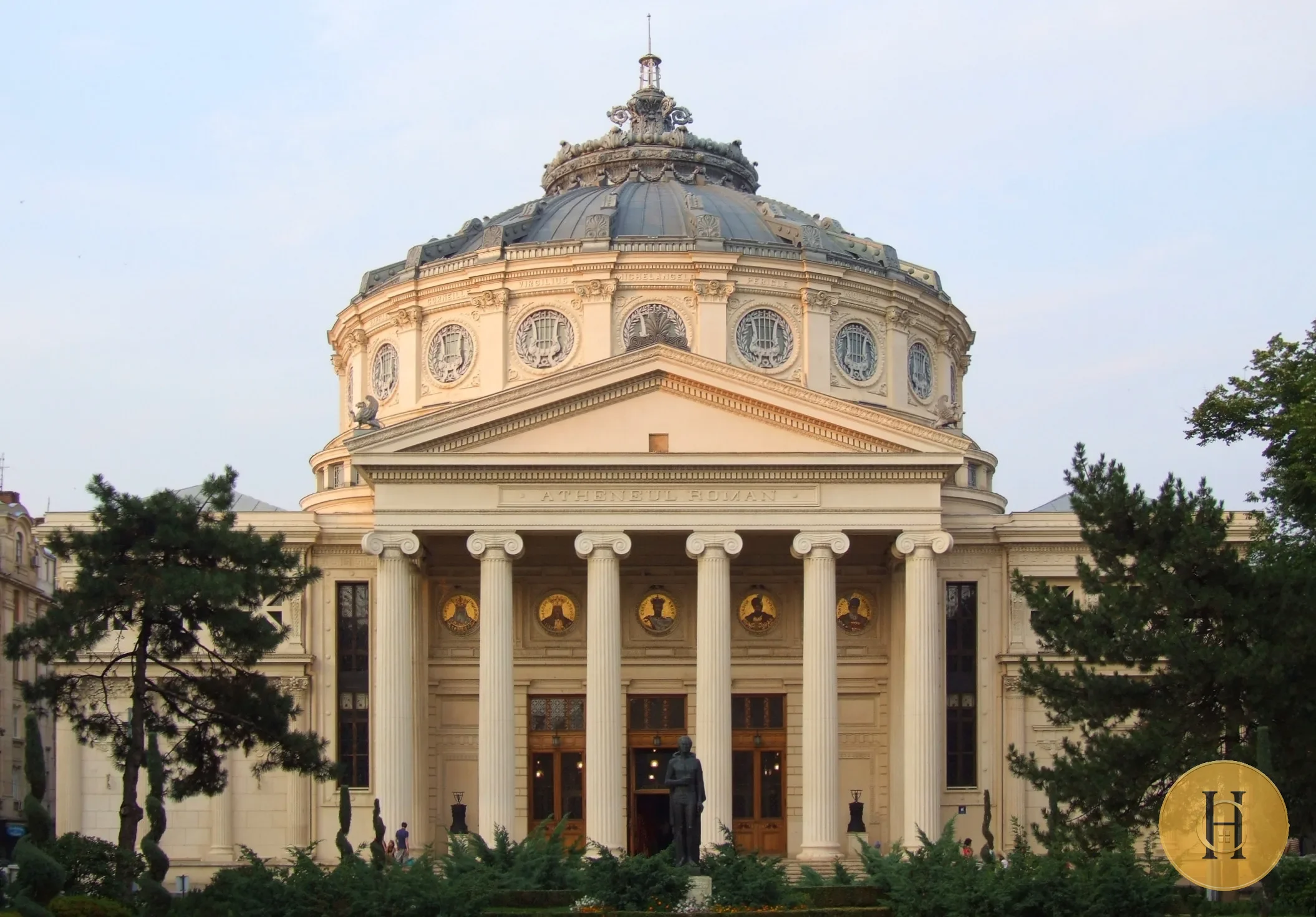
The mandatory starting point is the Palace of the Parliament, the largest administrative building in Europe and the second in the world after the Pentagon. It is visited on guided tours that show marble halls, crystal chandeliers, and a scale that overwhelms. A few minutes away, the Romanian Athenaeum, home to the Philharmonic Orchestra, stands out for its dome and neoclassical facade; it is the best place to attend a concert if you want to see the interior without crowds.
The old town, known as Lipscani, is a network of pedestrian streets with restored 19th-century buildings, shops, and terraces. Most of the bars and restaurants are concentrated here, and it is also where some ancient Orthodox churches can be found, such as Stavropoleos Church, small but with a highly decorated interior.
Neighborhoods and how to get around
The city is divided into very distinct areas. The historic center is compact and can easily be walked through in an afternoon. To the north, the Victoriei area and Revolution Square offer wide avenues with government buildings and luxury hotels. The Dorobanți neighborhood, further north, is residential and has high-end restaurants, but does not add much for travelers with little time.
To move between the center and the Palace of the Parliament, the most practical option is the metro, which is cheap and covers the main lines. Official taxis work by kilometer rate, but it is advisable to request them via app to avoid surprises. OTP Airport is connected to the city by an express bus and by train, although the bus is more frequent.
Museums and theaters
The Village Museum, outdoors, is one of the most recommended visits: it gathers peasant houses, wooden churches, and windmills from different regions of Romania, moved and rebuilt in a park next to Herăstrău Lake. At least two hours are needed to explore it calmly. For modern and contemporary art, the National Museum of Art of Romania, located in the former royal residence, has a solid collection, although the medieval art section is the most interesting.
The Romanian Athenaeum is not just a beautiful building; its concert programming is serious and prices are accessible compared to other European capitals. The National Theatre is also worth visiting, offering performances in Romanian, but its modern facade and location next to Revolution Square make it a landmark for orientation.
Eating and nightlife
Local cuisine is based on grilled meats, sarmale (stuffed cabbage rolls), and mămăligă, a polenta that accompanies almost everything. In the old town there are dozens of restaurants serving unpretentious Romanian dishes, as well as international options. For something quick, the terraces of Lipscani are the natural spot, although prices rise slightly compared to residential neighborhoods.
Nightlife is intense and varied. There are bars with live music, techno clubs, and venues open until late. The Lipscani area is the epicenter, but there are also options on Victoriei Street and in the Dorobanți neighborhood. If you are looking for something quieter, craft breweries have proliferated in recent years and offer an alternative without crowds.
- Palace of the Parliament – Mandatory guided tour to see the interior of a monumental building from the Ceaușescu era.
- Romanian Athenaeum – Concert hall with excellent acoustics and an exterior that is the symbol of the city.
- Old Town (Lipscani) – Pedestrian streets with bars, restaurants, and 19th-century architecture.
- Village Museum – Ethnographic park with traditional houses from all over Romania.
- Stavropoleos Church – Small Orthodox temple but with frescoes and a quiet inner courtyard.
Frequently asked questions
How many days are needed to see Bucharest?
Two full days are enough to see the essentials: the Palace of the Parliament, the old town, the Athenaeum, and the Village Museum. If you want to add a day trip or visit museums calmly, three days are more comfortable.
Is it safe to walk around Bucharest at night?
The center, especially Lipscani and tourist areas, is safe and busy until late. As in any large city, it is advisable to avoid empty and poorly lit streets outside the center. Night public transport is limited, so plan your return to accommodation.