Istanbul: What to See, Facts & Flights
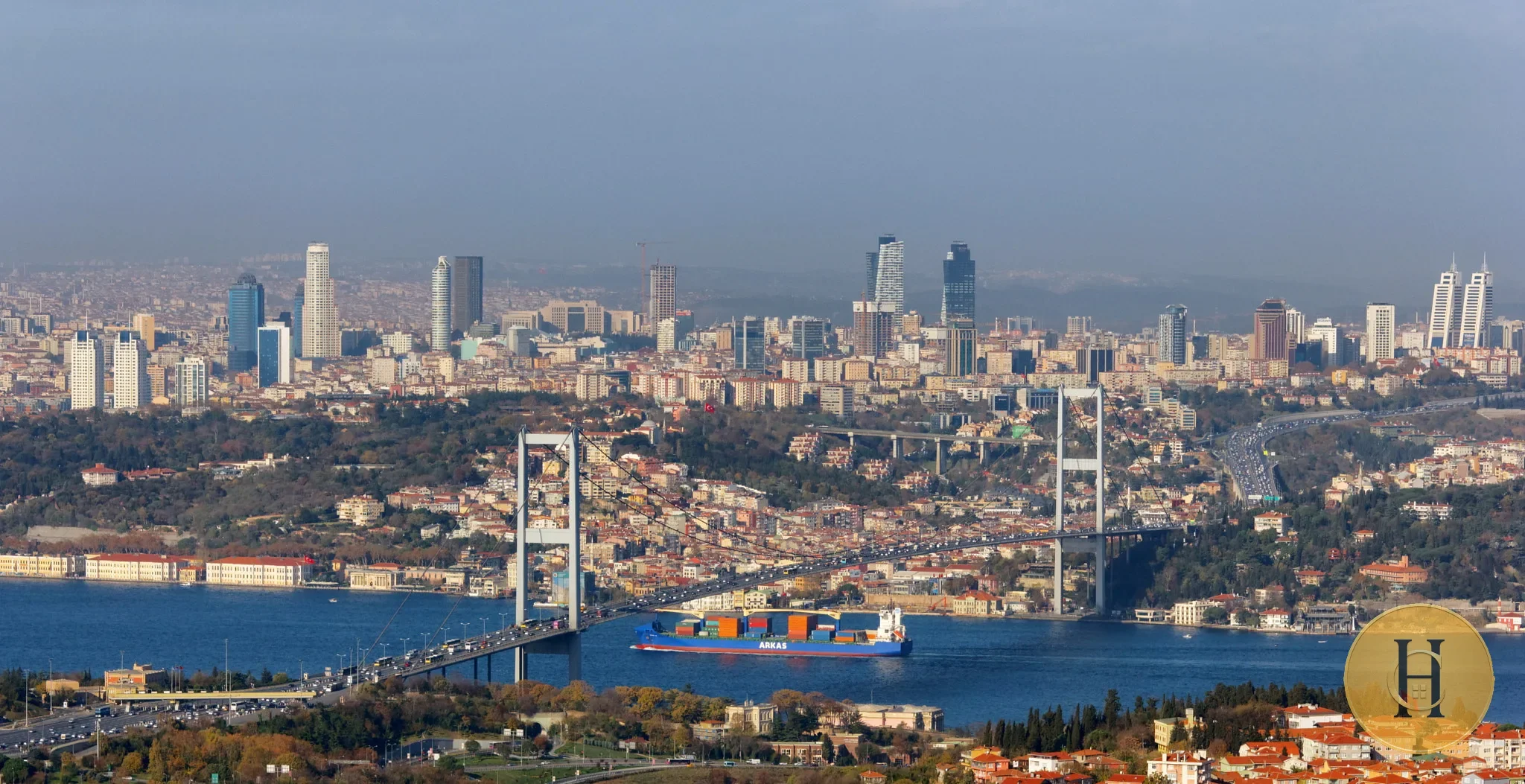
Istanbul is the largest city in Turkey and the only urban area in the world that spans both Europe and Asia, separated by the Bosphorus Strait. It is visited for its dense history as the capital of three empires (Roman, Byzantine, and Ottoman), its monumental heritage, and its vibrant commercial life. The city combines an intense cultural offering with a chaotic and fascinating urban environment, where the past coexists with the present on every corner.
What to see
The monumental core is concentrated in the historic peninsula of Sultanahmet. Hagia Sophia, formerly a basilica and mosque, now functions as a mosque and preserves its impressive Byzantine mosaics. A few minutes away is the Blue Mosque, famous for its six minarets and blue tiles inside. Topkapi Palace, the residence of Ottoman sultans for centuries, houses treasures, harem rooms, and views of the Golden Horn.
Outside the classic circuit, the Basilica Cistern (an ancient underground cistern) and the Fener neighborhood, with its colorful houses and Orthodox Patriarchate, offer a different perspective. To get an idea of the city's scale, the Bosphorus cruise allows you to see summer palaces, fortresses, and bridges connecting the two continents.
Neighborhoods and how to get around
The city is divided into two main parts: the European side and the Asian side. On the European side, Sultanahmet is the historic zone, while Beyoglu (with Istiklal Avenue and Galata Tower) is the modern center of shops, cafes, and cultural life. Kadiköy, on the Asian shore, is a lively neighborhood with street markets, bars, and a young atmosphere.
Public transport is efficient: the tram connects Sultanahmet with Beyoglu and the Grand Bazaar, and ferries cross the Bosphorus constantly between the two shores. Walking is possible in the old town, but for long distances it is advisable to use the tram or metro. Avoid traffic during rush hour, which is heavy.
Eating and nightlife
Istanbul cuisine is varied: from classic kebabs and grilled fish at restaurants in Eminönü port, to meze (appetizers) in venues in Beyoglu. Turkish tea, coffee, and sweets like baklava are always available. The Karaköy neighborhood, next to the port, concentrates specialty cafes and modern restaurants.
Nightlife is concentrated in Beyoglu and the streets around Galata Tower, with cocktail bars and live music. In summer, the rooftops of hotels in Sultanahmet offer dinners with views of Hagia Sophia. For something more local, the meyhanes (Turkish taverns) in Kurtuluş are an authentic option.
When to go
The best time to visit Istanbul is from April to June and September to October, when temperatures are mild (between 15 and 25 degrees) and there are fewer crowds than in mid-summer. July and August are hot and humid, and queues at monuments are long. Winter, from December to February, is cold and rainy, but with few tourists and lower accommodation prices.
Must-see places
- Hagia Sophia – 6th-century Byzantine monument, now a mosque with impressive mosaics and dome.
- Blue Mosque – 17th-century Ottoman mosque with six minarets and blue tiles inside.
- Topkapi Palace – Residence of Ottoman sultans, with courtyards, treasures, and harem.
- Grand Bazaar – Covered market with thousands of shops selling carpets, spices, jewelry, and ceramics.
- Bosphorus Cruise – Boat tour showing palaces, fortresses, and the two sides of the city.
Frequently asked questions
How many days are needed to see the essentials?
With three full days you can see the old town (Hagia Sophia, Blue Mosque, Topkapi), the Grand Bazaar, and take a Bosphorus cruise. With four or five days you can add a day on the Asian side and visit neighborhoods like Fener or Balat.
Is it safe to travel to Istanbul?
Yes, it is a safe city for tourists in usual areas, although it is advisable to watch out for pickpockets in very crowded places like the Grand Bazaar or the tram. Tourist scams are infrequent but exist, especially in restaurants in very touristy areas; always ask for prices before ordering.